
Home/BDT–06 · Emergency First Aid
The skills to save a life in minutes
The minutes before EMS arrives can be the difference between life and death. Learn the critical trauma response skills that give you the ability to keep someone alive — whether at a shooting range, a workplace, or a public emergency.
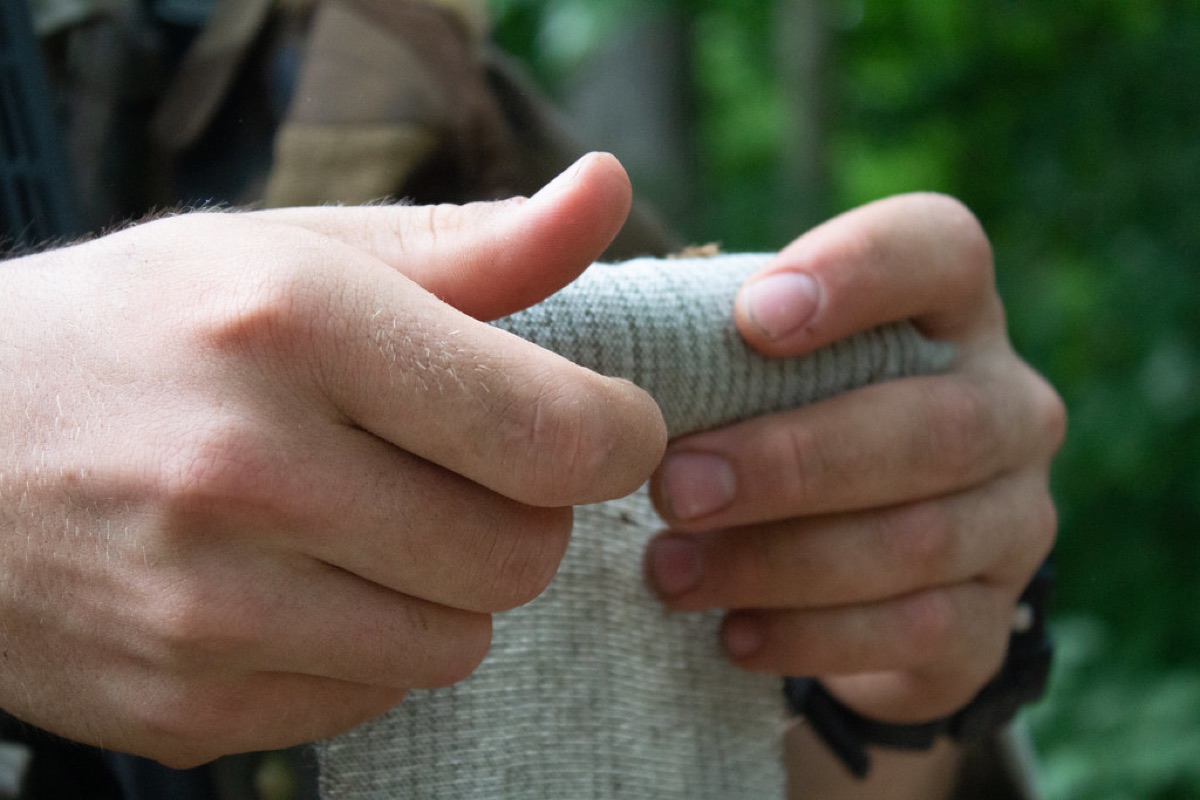
Defense is only half the picture
Emergency Medical Services can take 5, 10, or more minutes to arrive. In cases of severe trauma — particularly gunshot wounds or traumatic bleeding — a person can die in less than 3 minutes from uncontrolled hemorrhage. You are the first responder.
This course teaches practical, hands-on trauma response skills based on military-proven techniques — no medical background required. You'll learn exactly what to do in the critical moments after an injury when a life is on the line.
This training pairs naturally with firearms courses and is strongly recommended for anyone carrying a firearm, working in security, participating in church safety teams, or simply wanting to be prepared for emergencies.
Course details
BDT–06- Level
- No experience required
- Format
- Hands-on, practical skills
- Who
- Anyone – individuals & groups
- Pairs with
- All firearm & safety courses
- Location
- East Tennessee
- Contact
- 423-446-7233
What you'll be able to do after this class
Bleeding control
- Tourniquet application — Applying a commercial tourniquet correctly to control severe limb bleeding — one of the highest-impact skills in civilian trauma care.
- Wound packing — Packing a wound with hemostatic gauze to control bleeding in the torso and areas where a tourniquet cannot be applied.
- Pressure bandaging — Proper application of pressure bandages to control moderate to severe bleeding.
- Airway management — Positioning and basic techniques to maintain an open airway in an unconscious victim.
Assessment & readiness
- Tension pneumothorax response — Recognition and immediate response to a collapsed lung from chest trauma.
- Scene assessment — Rapidly assessing a scene for ongoing threats and prioritizing multiple casualties.
- Calling for help effectively — How to communicate critical information to dispatchers and incoming EMS.
- Building an IFAK kit — What belongs in an individual first aid kit and how to carry it effectively alongside your firearm.
Be the one who helps
-
Minutes matter
The average EMS response time in the US is 7–14 minutes. A person with uncontrolled arterial bleeding can die in 3 minutes. Your training closes that gap.
-
No medical background required
These skills are designed for civilians. If you can follow a clear process under stress, you can save a life. The course is built to give you that capability.
-
Pairs with every course
Emergency first aid is the natural complement to any defensive training. Anyone who carries a firearm should know how to treat a wound — whether on themselves or someone else.
Emergency first aid questions
Do I need any medical background?
None whatsoever. This course is designed specifically for civilians with no medical training. Everything is taught from the ground up with hands-on practice.
Do I need to own firearms to take this class?
Not at all. Emergency first aid skills are valuable for everyone — parents, teachers, church security volunteers, hikers, hunters, and anyone else who wants to be prepared for a trauma emergency.
What supplies do I need?
We'll guide you on what to bring to the class. A quality tourniquet (such as a CAT or SOFTT-W) and basic supplies are discussed. We recommend building or upgrading your IFAK after the course.
Can this training be done for our church security team or workplace?
Yes — group training for church teams, security personnel, and workplace groups is available and highly recommended as part of a comprehensive safety program. Contact us to customize a session.
Learn skills that save lives
Don't be a bystander in an emergency. Call today to register for Emergency First Aid training.
423-446-SAFE(7233) · call or text